Eleven points to know about Polio Vaccine

1. What are symptoms of polio?

Initial symptoms of polio include fever, fatigue, headache, vomiting, stiffness in the neck, and pain in the limbs. In a small proportion of cases, the disease causes paralysis, which is often permanent. There is no cure for polio, it can only be prevented by immunization.

2. What are different Polio vaccines available ?

Polio vaccines are available in two form:

  • Oral Polio Vaccine (OPV): Taken orally as drops, Main preventive measure against polio
  • Inactivated Polio Vaccine (IPV) : Given through injection. In countries still using OPV, it is given in addition to OPV. Strengthens the immune system and provides further protection from polio

3. What is the schedule for Polio vaccine?

bOPV : Total 4 doses and a booster dose

At birth, 1½ months, 2 ½ months, 3½ months & booster at 16-18 months

IPV: 2 doses

At 1½ months & 3½ months

4. Where i can get this vaccine?

This vaccine is available for free at all Government hospitals on a specific day every week. You can also visit your Pediatrician clinic for vaccination.

5. Why does my child need two different vaccines for polio?

Using both vaccines together provides the best form of protection from polio.

6. Is IPV safe?

IPV is one of the safest vaccines in humans.

7. IPV have any side effects?

After the vaccine, there might be a little bit of redness and the skin may feel tender.

8. Do I still need OPV?

Until polio is eradicated globally, OPV is still the main preventative measure against polio. IPV is recommended in addition to OPV and does not replace OPV.

9. Why is polio vaccination being done repeatedly?

Children upto 5 years of age need to be protected from this disease. Repeated vaccination increases the capacity of these children to resist this disease. The polio virus is unable to survive in the vaccinated children, and will finally be eradicated.

10. Can polio vaccine be given to children suffering from cough, cold, fever, diarrhoea or any other ailments?

Yes, this vaccine can safely be given in these conditions.

11. Now that there is no Polio case in India, is it still important for us to take the vaccine?

Polio transmission is going on in countries like Nigeria, Pakistan and Afghanistan, and there is a risk of virus importation from these countries to India. It is important to vaccinate our children and keep their protection level high till polio is eradicated globally.

To have information about other vaccines , download our app GrowthBook now.
What kind of food should be given to children?

Choosing the right food in right proportion is very important, however it is the most difficult task for parents. This blog will help you to choose proper food group and its quantity for your child.

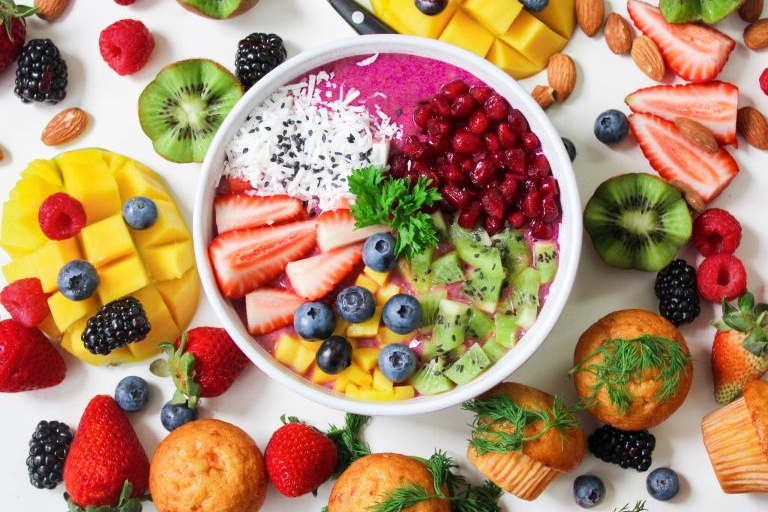
1. Try to include food with different colors:

Each color is because of natural nutrients within the food like minerals and vitamins. Try to give your child a combination of foods which are having different colors. Different colors of food will provide different nutrients like minerals and vitamins to your child.

Make food colorful by adding fruits, dry fruits and berries to your dish

2. Carbohydrate (Roti, Breads & Rice):

  • This category of food will basically provide carbohydrates i.e. glucose to the child.
  • Role in child’s diet: To provide primary source of energy i.e. glucose.
  • Quantity: This foods should not be overused as it lacks other nutrients like minerals and vitamins. Avoid using refined products like maida and polished rice.
Carbohydrates provides energy but are poor in micro nutrients

3. Pulses (Dal, sprouts, beans, eggs, animal food ):

  • A child needs slightly higher protein diet as compared to adults because of the growing muscles and tissues.
  • Role in child’s diet: A continuous wear and tear is going on in child’s body which makes them more in need for protein.
  • Quantity: Simply add sprouts in snacks for 2-3 times a week along with routine home diet. This will provide them adequate protein.
Protein helps in muscle formation

4. Fats (Ghee, butter and oil):

  • As per dietary guidelines a child needs 25% – 30% of fat in diet.
  • Role in child’s diet: Providing energy in form of high calories. Fat helps in absorption of fat soluble vitamins and also forms structural elements of cell wall. Excessive fat leads to obesity which is a rising concern, always keep a check on child’s weight and try to incorporate foods with low fat level. Fat provides energy of 9 kcal /gm as compared to 4 kcal /gram of energy from protein and carbohydrate.
  • Quantity: Add ghee in home prepared food like chapati, khichdi, dal etc.
Foods like ghee, butter and oil

5. Fresh vegetable & fruits:

  • Routine foods like chapati, rice, provides primarily carbohydrate and all the pulses provide protein.
  • Role in child’s diet: Fresh vegetables and fruits have a added benefit of high amount of minerals and vitamins.
  • Quantity: Every day provide one fruit to your child and plenty of vegetables during meal time. For best use, try to include different fruit and vegetable throughout the week.
Eat Fresh fruits everyday

6. Milk and dairy products:

  • Milk is an very important portion of child’s diet.
  • Role in child’s diet: It is required for normal protein content as well as some nutrients like calcium.
  • Quantity: 2-3 cups of milk or milk products are enough for a 5 year old child. Be cautious, Excessive milk will prevent absorption of iron from other diet.
Milk & Milk Products

Conclusion:

  • Your child needs a diet with slightly higher protein as well as fat, but always be cautious with the portions of this foods. You need to balance each and every food group so that your child gets each and every nutrient in optimum amount.

How to check your child’s nutrition:

  • Best way to check child’s nutrition is by monitoring their weight and height every month. You should always plot your child’s growth on a growth chart.
  • To track your child’s growth download GrowthBook now.